Kyle Brykman, PhD
Associate Professor of Management, Odette School of Business, University of Windsor
I study why employees contribute—or hold back—and the consequences of these decisions
Why Small Moments Matter
The success of any organization is shaped by the small decisions people make every day.
An employee deciding whether to share an idea. A teammate choosing how to express disagreement. A leader debating whether to acknowledge uncertainty or ask for help.
Together, these moments shape how people engage, collaborate, and adapt, ultimately influencing the well-being and performance of individuals, teams, and organizations.
Questions I Explore
My research asks practical questions, including:
How can leaders create the conditions that encourage employees to speak up?
What makes an idea especially persuasive?
What separates productive conflict from destructive conflict?
Why do some teams bounce back from adversity while others crumble?
How can leaders share their own mental health without undermining their effectiveness?
Explore My Work
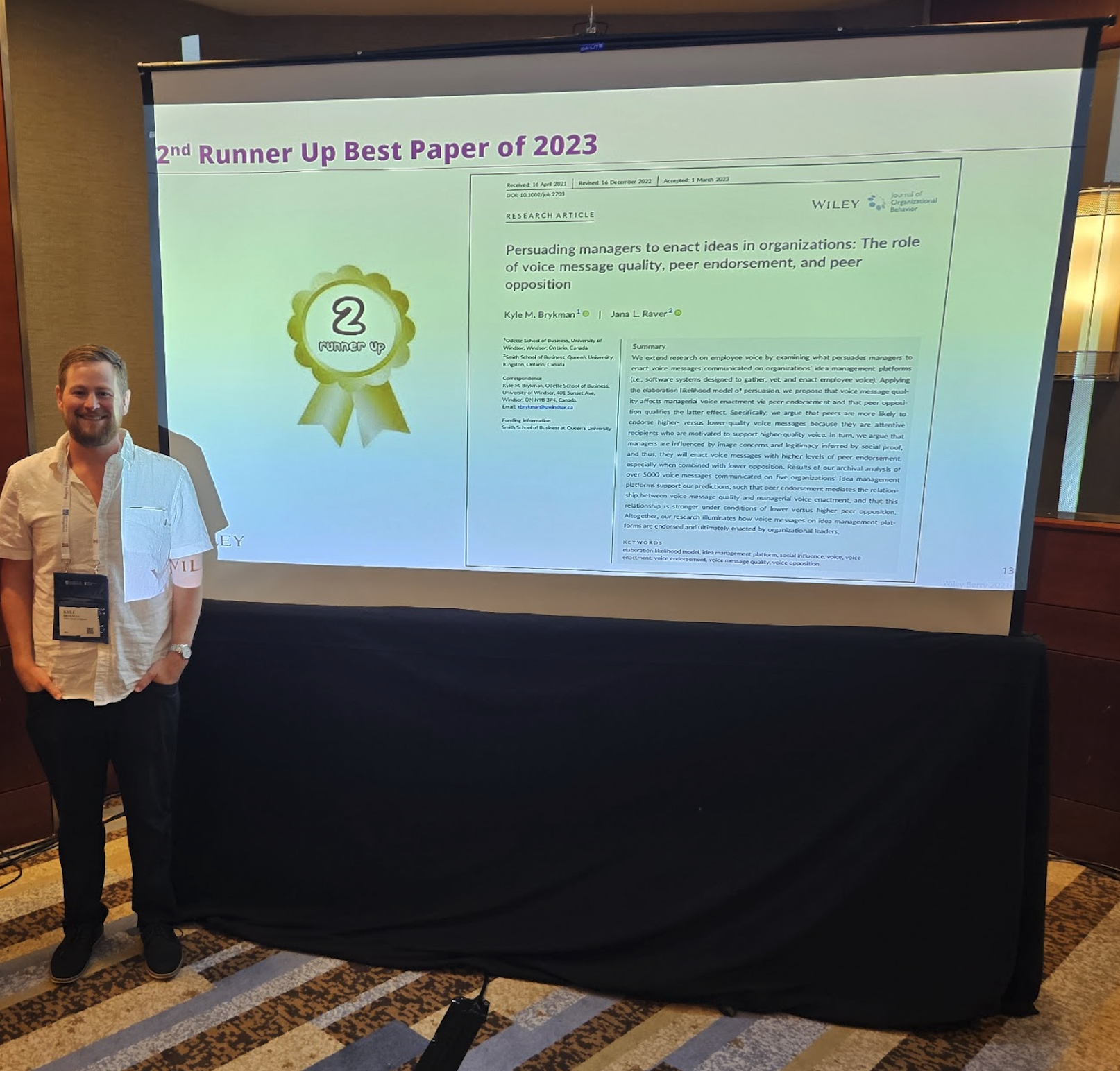
Research
Understanding how people choose to contribute, collaborate, and thrive at work.
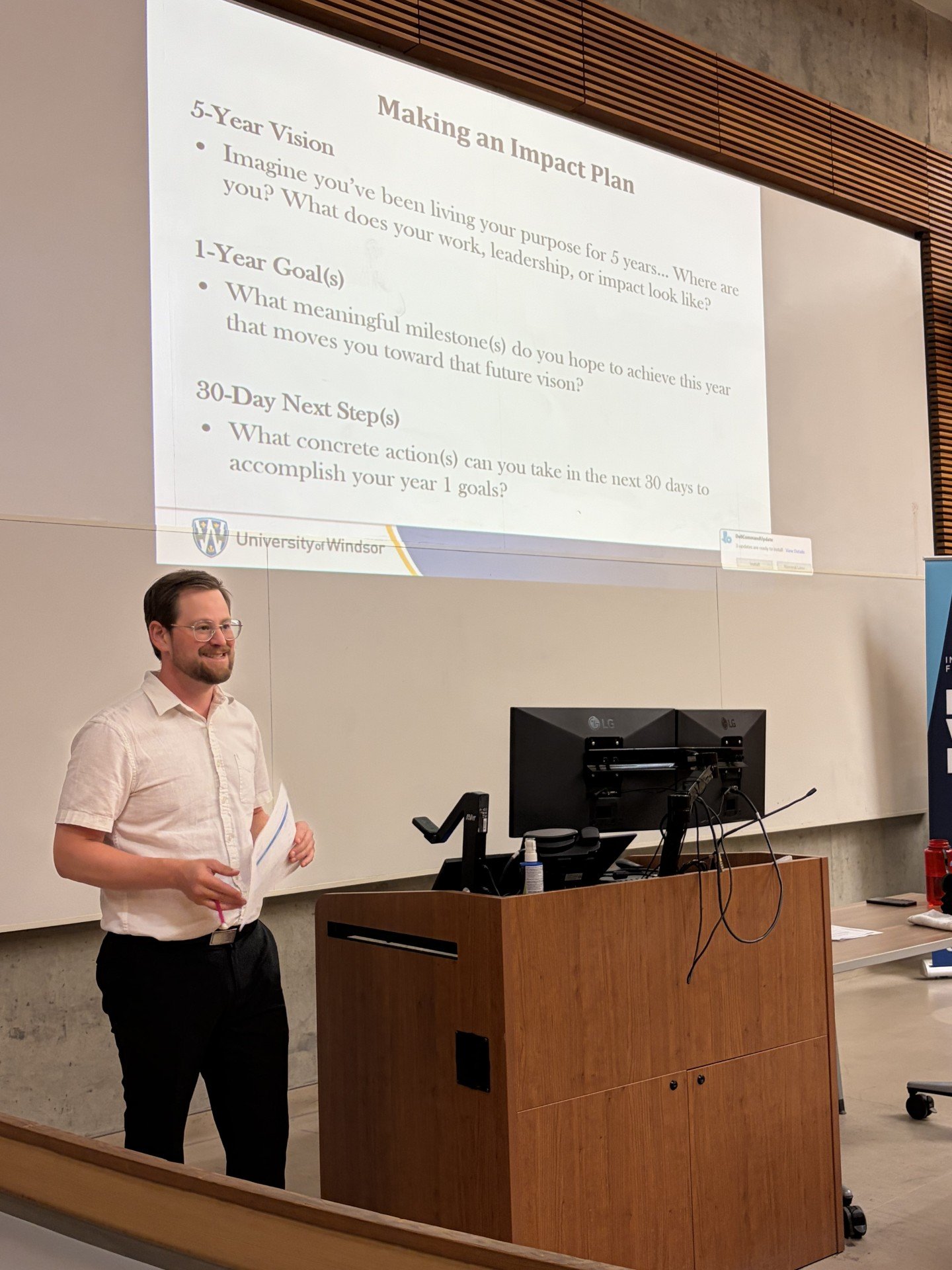
Knowledge Sharing
Sharing evidence-based insights through keynotes, workshops, media, and public engagement.
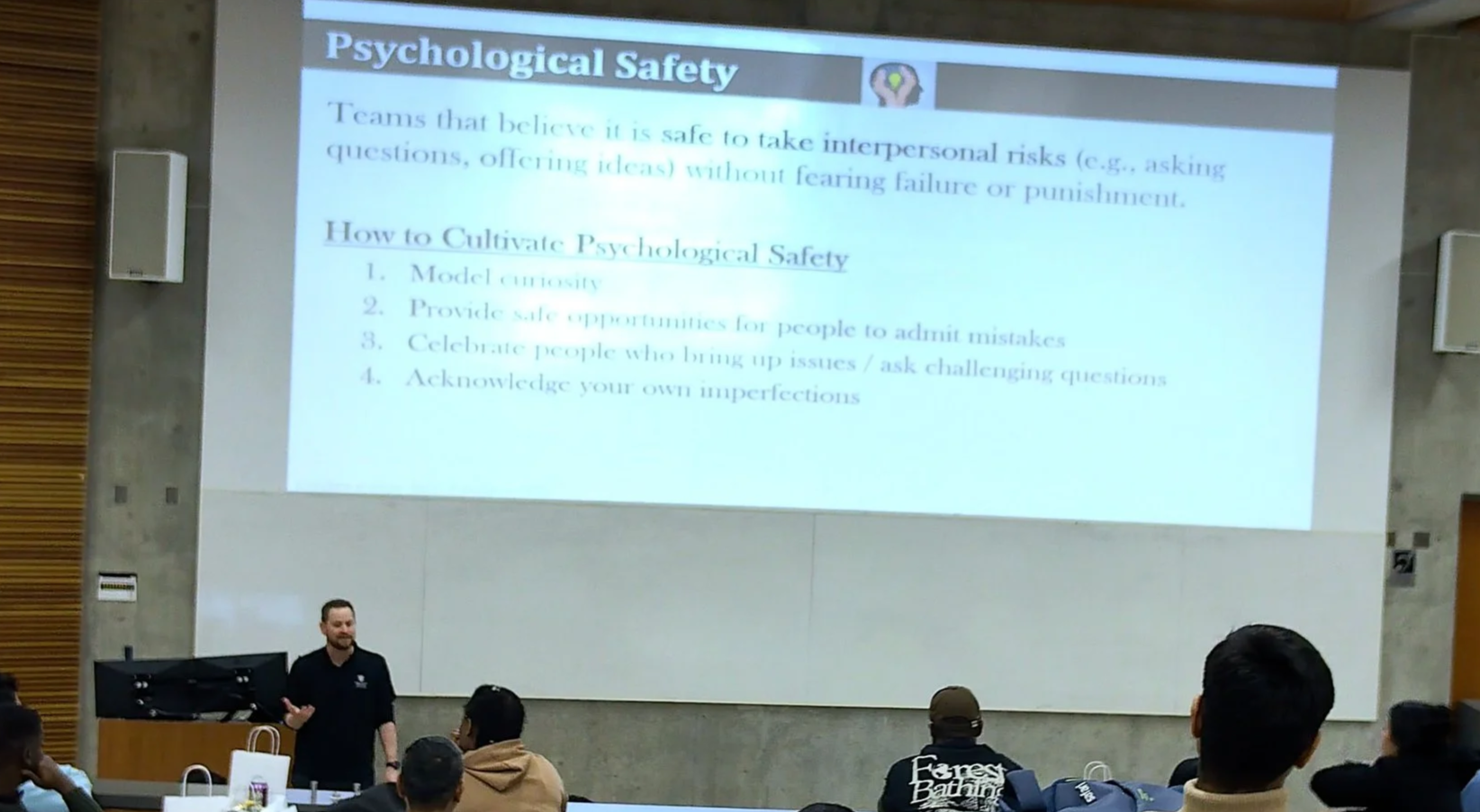
Teaching
Helping students become thoughtful teammates and effective leaders through experiential, evidence-based learning.
Featured Insights
Persuading Managers to Enact Ideas in Organizations
Award-Winning Research
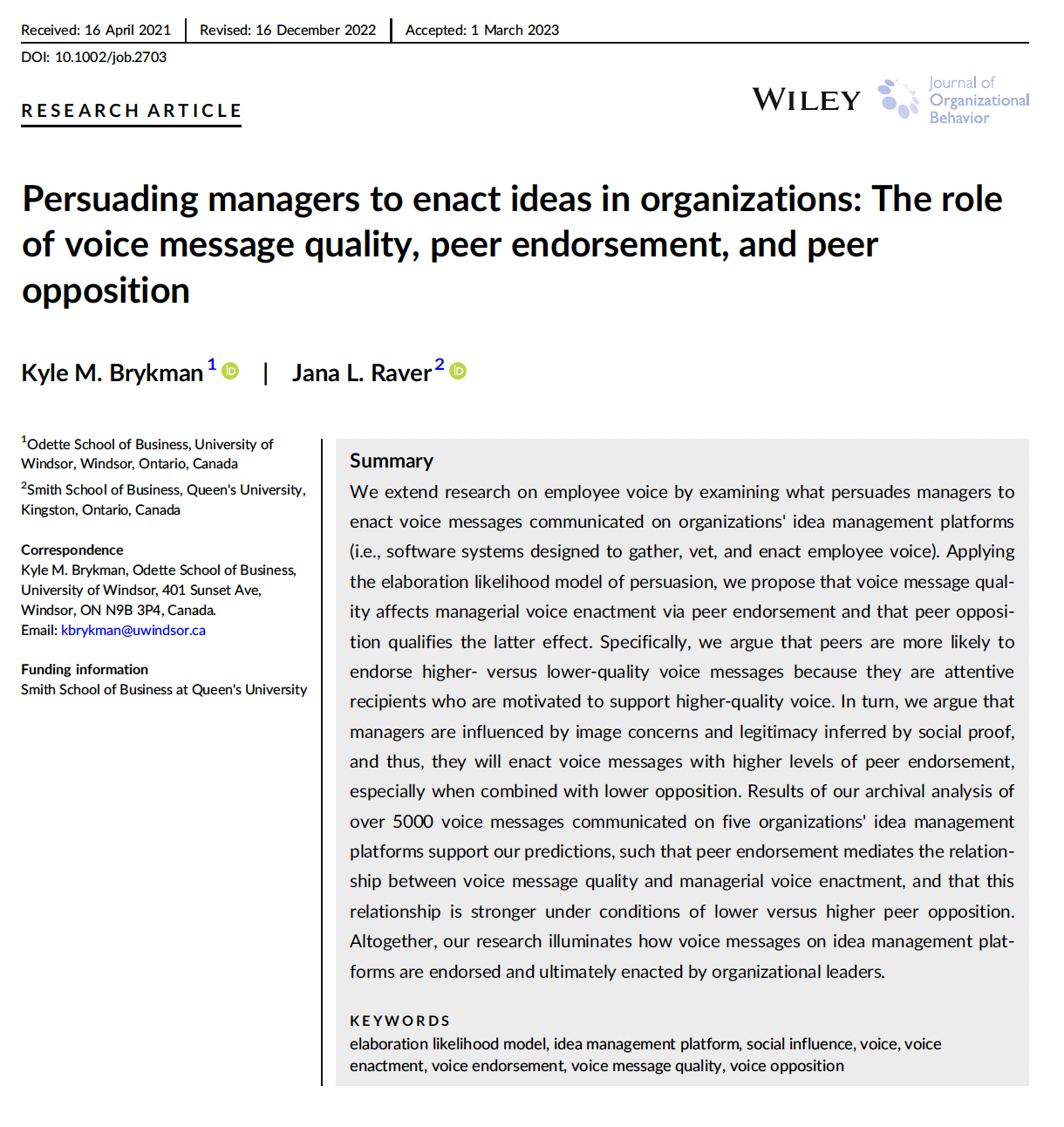
Why it matters: Organizations depend on employees to share ideas, but good ideas don't always lead to change. Understanding what helps managers recognize and act on employee suggestions can improve innovation and decision-making.
What we found: Ideas that are well-supported, feasible, organization-focused, and novel are more likely to gain the support of coworkers. Managers then rely heavily on those peer reactions to determine which ideas move forward.
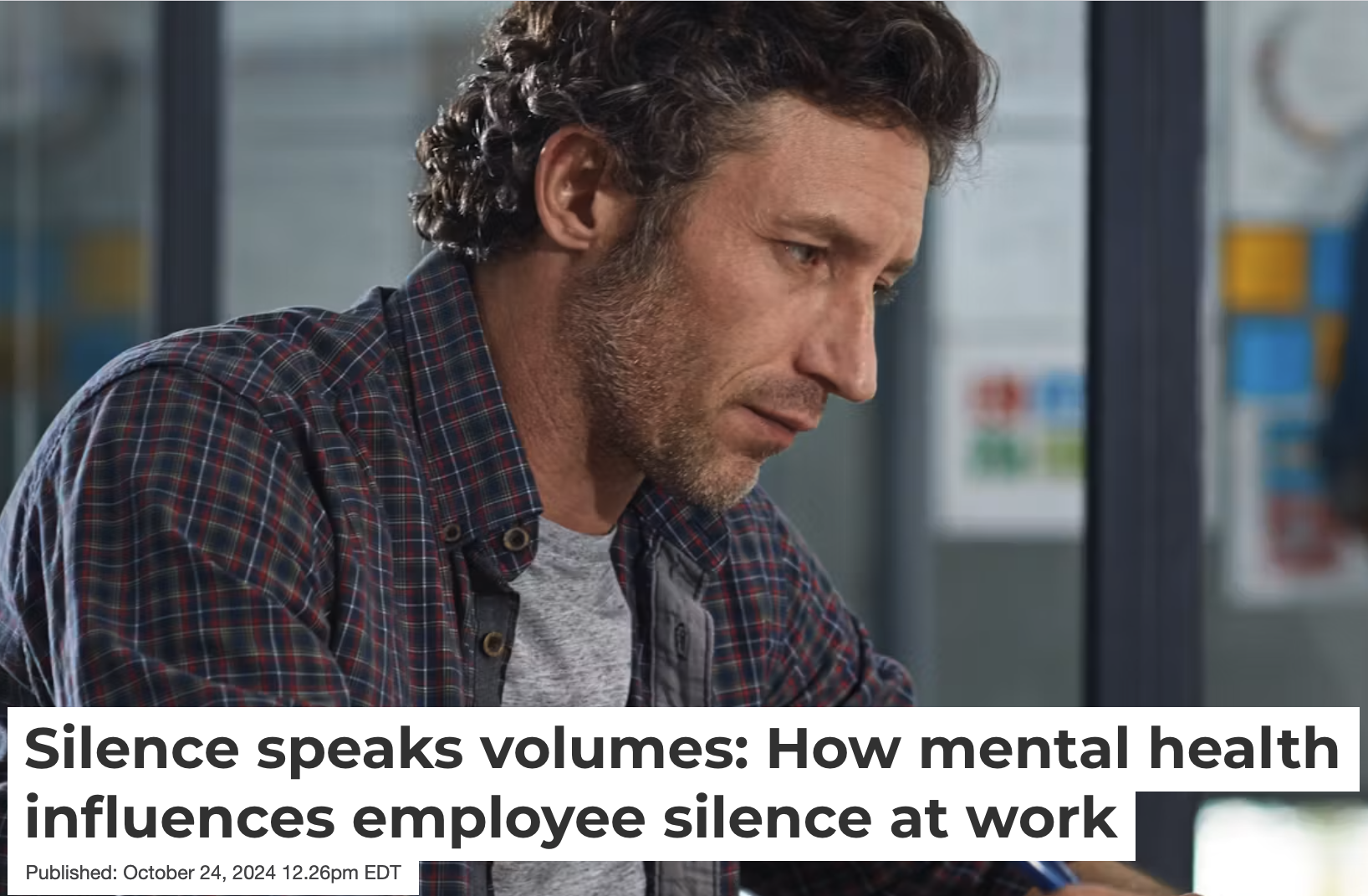
Silence Speaks Volumes: How Mental Health Influences Employee Silence at Work
Knowledge Mobilization
Why it matters: Mental health challenges are becoming increasingly common in today's workplaces. Beyond affecting employees' well-being, they also shape how employees engage at work, including whether and why they choose to speak up or remain silent.
Key takeaway: Anxiety increases fears about the risks of speaking up, while depression reduces employees' confidence that their voice will make a difference. The encouraging news is that supportive managers can help reduce these barriers and create environments where employees feel able to contribute.
How to Find Your Voice and Be Heard at Work
Watch & Listen
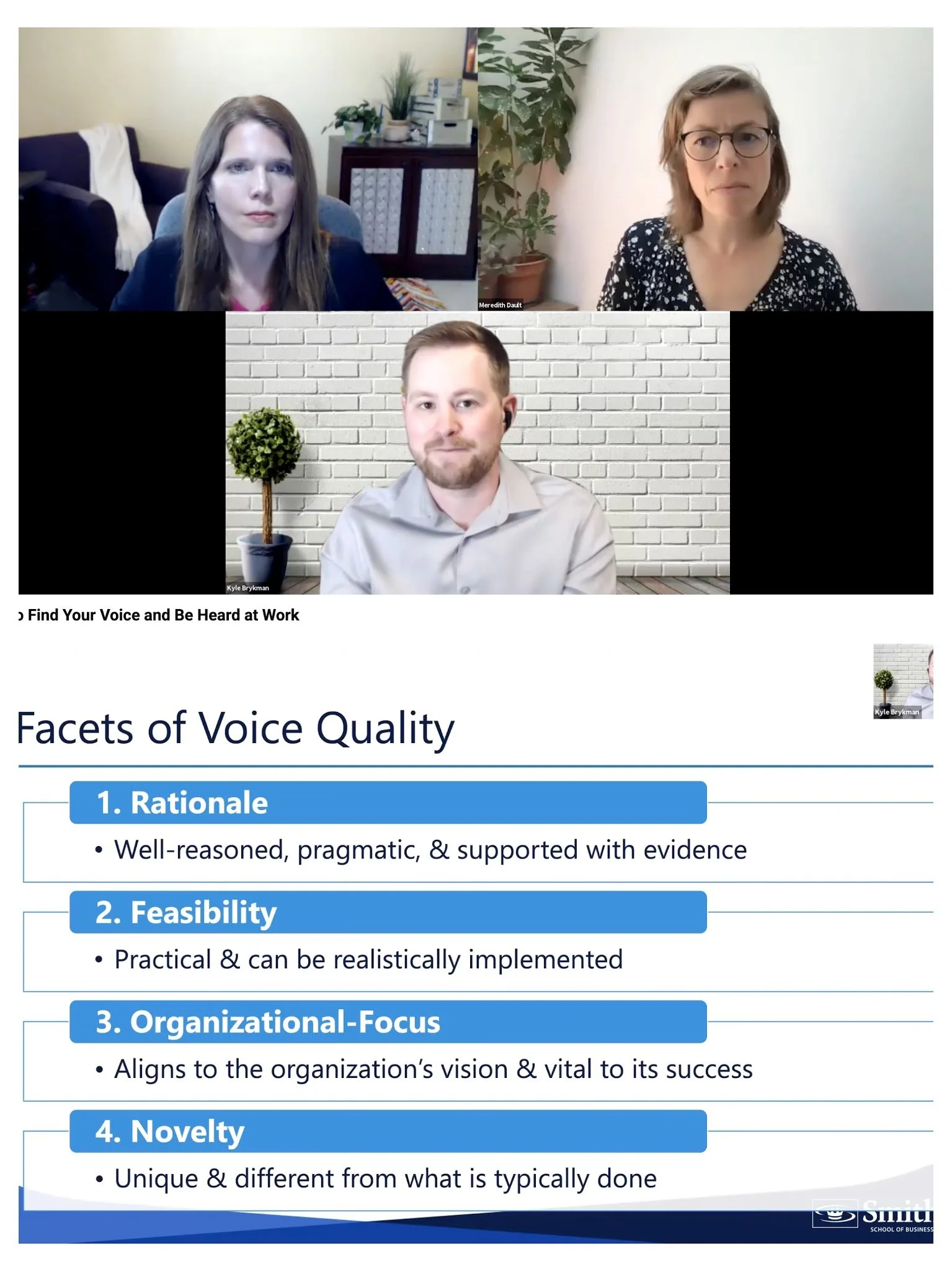
Key takeaway: Speaking up at work isn't simply a matter of confidence or personality. In this talk, I explore why employees often hesitate to share their ideas, what makes some messages more influential than others, and how leaders can create the right conditions to ensure that people speak up honestly.